
Whatever the source, sneezing after drinking beer is a phenomenon that many people have experienced. It may be nothing more than coincidence, or it could signal the start of legal intoxication. Either way, it’s definitely something to keep an eye on if you’re out enjoying some beers with friends.
Why do I sneeze after drinking beer?
This can escalate the severity of symptoms, especially at night when many people find their allergies worsen. A true alcohol allergy, an IgE-mediated immune response, is exceedingly rare and involves the body mistaking ethanol or a protein in the drink for a harmful invader. This allergic reaction is systemic and severe, potentially causing hives, alcohol and sneezing swelling of the throat, vomiting, and even anaphylaxis. When sneezing and congestion occur after drinking, the reaction is almost always a sensitivity or intolerance, not a true allergy. Alcohol intolerance is a non-life-threatening metabolic issue or a pharmacological reaction to one of the drink’s components, resulting in symptoms like a stuffy nose and facial flushing. Alcohol can make allergy symptoms worse because it can increase the blood flow to the tissues in your nose and sinuses.
Nasal Irritation from Alcohol
Some of the most drug addiction common culprits for reactions are gluten, hops, wheat, and yeast. If you have an intolerance or sensitivity to any of these ingredients, you’ll likely react to drinking beer. Alcohol-induced hives can last anywhere from a few minutes to several hours, depending on the severity of the reaction and the individual’s response.
Alcohol Sensitivity Symptoms
Symptoms of an alcohol intolerance include nausea and vomiting, diarrhea, headaches, hives, facial flushing, chest tightness or difficulty breathing. If someone experiences these symptoms after consuming even small amounts of alcohol it is important to seek medical attention immediately. Make sure you avoid alcohol intake with any other medications, as there can be interaction between the two.
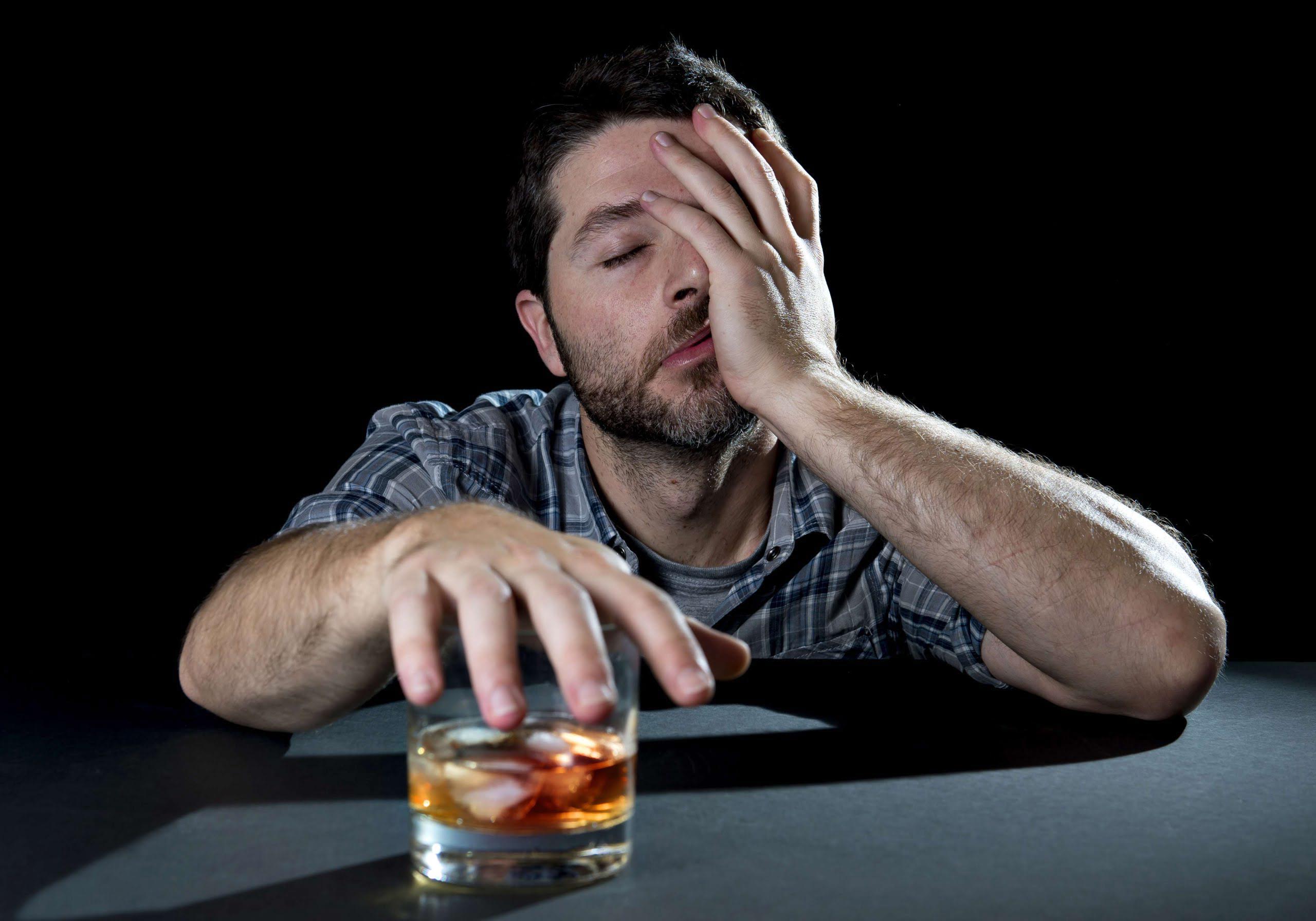
- This buildup can trigger allergy-like symptoms, including sneezing, nasal congestion, and flushing.
- „Allergic conditions may be genetic but, can happen in people with no family history too.”
- Alcohol withdrawal can cause a range of symptoms, from mild to severe, and the most severe form, delirium tremens, can be life-threatening.
- This figure represents people whose symptoms are traceable to what the manufacturers made the product from and its production process, not the alcohol itself.
- They may help some people, but combining medication with alcohol should only happen under medical guidance.
Tannins are astringent compounds that contribute to the bitter taste and aroma of wines. When these compounds come into contact with the nasal passages, they can create an irritation sensation which leads to a reflexive sneeze response. For many people, more than 2 ounces of alcohol can lead to triggering allergies which is also termed as alcohol allergy.
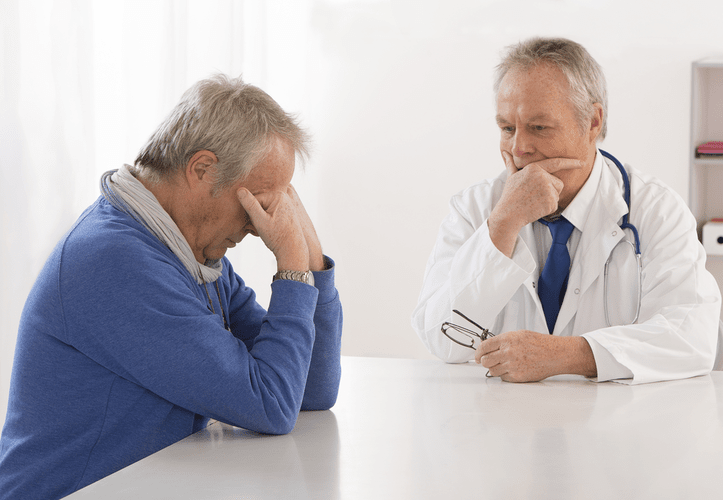
A 34-year-old patient visited Enticare with ongoing sneezing and nasal congestion that occurred shortly after drinking alcohol. The patient reported symptoms most frequently after consuming red wine and beer, while clear spirits caused little to no reaction. Histamine, a chemical compound involved in immune responses, is a common culprit behind alcohol-induced sneezing. Certain alcoholic beverages, particularly red wine and beer, contain naturally occurring histamines due to their fermentation processes. It’s important to note that a Red Wine Allergy is not the same as an intolerance to red wine.